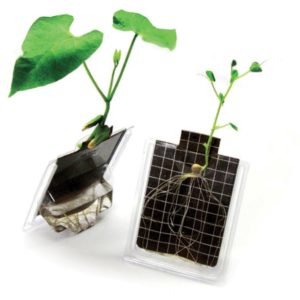
Grades K–8. View seed germination and observe plant growth and development with this kit. The transparent chamber allows students to study the growth of the entire plant, including the roots.
Grades K–8. Grow and view the development of a plant during the first 4 to 6 weeks of growth! The key feature of the unique seed germinator is that the entire plant–seed, stem, leaves, and roots–is clearly visible and measureable as it grows. The transparent chamber allows students to study the plant’s development, and a printed insert with 1-cm grids helps them measure the plant’s growth. Kit comes with a seed germinator chamber, seeds, and instruction guide. Purchase a single kit, or buy a pack of 15 kits to facilitate your entire class.
This Seed Germination Experiment will allow you to grow and view the development of plants during approximately the first 4 to 6 weeks of growth. The key features of the plastic seed Germinator is that the entire plant: Seed, stem, & leaves, but most notably, the roots are clearly visible and measurable as the plant dynamically changes from dormant seed to sprout and finally to a young plant.
The Seed Germinator is made of two basic parts: a clear plastic sleeve and an absorbent cardboard insert. The cardboard insert will absorb enough water to allow healthy plant growth. The fluid reservoir is designed to provide adequate water supply for about one week or more, depending on conditions, and can easily be refilled as the water level is reduced. As the root system is formed, it will attach to the rough cardboard surface. The 1 x 1 centimeter grid pattern will allow you to measure the root system as it spreads across the insert and compare it with the stem and leaf growth that occurs above the sleeve.
The Seed Germination works best with large seeds such as beans, peas, corn, squash, and pumpkin.Most of us know that plants grow from seeds; however, have you ever wondered what causes a seed to grow?
Seeds are produced within the “fruit”: of a plant. Seeds vary from plant to plant in size and shape. Once the seeed is mature, the plant releases them. The seeds typically fall to the ground near the parent plant. Sometimes the seeds are carried to new areas by wind, insects, animals, or people.
Seeds do not develop until conditions are just right. Seeds need moisture, sunlight, and usually soil to begin development. When conditions are ideal and seeds begins to sprout and grow, the process is called germination. Seeds may lie Dormant (alive but not actively growing) for long periods of time before germination begins.