- 2 feet of string
- 1 plastic cup
- 1 wooden block with a hook attached
- 1 hole puncher
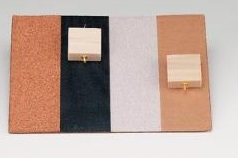
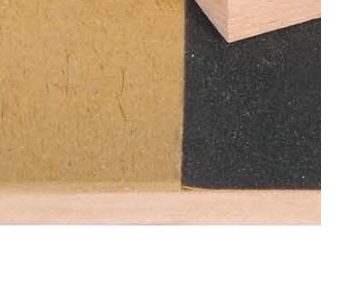
- 1 friction board
- Punch two holes in the top of the cup and attach the string to the cup.
- Attach the other end of the string to the wooden block.
Explain:
· Friction is the force that slows things down. When two objects push or rub against each other, they cause friction.
· Different materials create different amounts of friction. Some materials are easy to move across and some materials are more difficult to move across.
· Describe materials on the friction board: cardboard, cork, rubber and sand paper.
· Allow students to feel the materials.
· Demonstrate: Measuring friction
- Tape or secure the friction board to a table with the edge lined up to the table edge
- Place the block of wood at the far edge of one of the materials on the friction board.
- Allow the string and cup to hang straight off the edge of the table.
- Students carefully place Unifix cubes, pennies or beans into the cup until the block moves across the selected material.
- Record the number of counters needed to move the wood block across the material.
- Repeat experiment procedure with each material on the friction board.
Student participation:
- Students predict which material will have the most and least friction.
- Students place the block on each material and add counters to the cup until the block moves across the material.
- Students observe and/or record the number of counters needed to move the block across each material.
- Discuss essential questions:
- Which material had the most friction and needed the most counters to move the block?
- Which material had the least friction and needed the least number of counters to move the block?