Bacillus bacteria are ubiquitous, meaning they are found in a wide variety of environments. While they are commonly known as soil inhabitants, Bacillus species can also be found in air, water, human and animal guts, plants, and various food products. Specifically, some species, like Bacillus subtilis, are often found in soil and the gastrointestinal tract of humans and ruminants.
To cultivate Bacillus bacteria, you’ll typically use a liquid or solid culture medium, inoculate it with Bacillus, and then incubate it under appropriate conditions. The specific steps can vary depending on the Bacillus species and desired outcome.
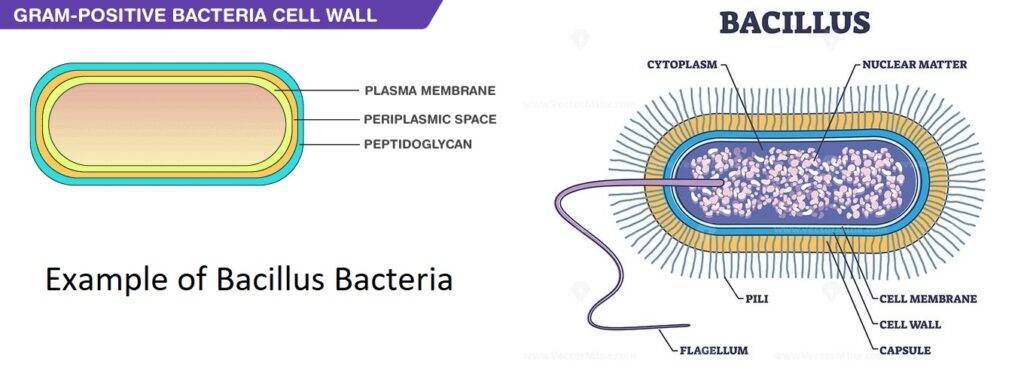
user can grow culture by collection of samples in tube, culture of Gram+, motile rods, acid tolerant, and causes food spoilage. It is cultured on tryptic soy or nutrient agar at 37° C on a plate. Culture is guaranteed as to species and purity,
Bacilli are found in soil and consequently also in water and air. Soil is considered to be the primary habitat for most bacilli. Contamination of food generally is considered to be via the entry of soil, air, or water. Bacilli are particularly noted as spoilage organisms in heat-treated (including, retorted) foods.
Here’s a general overview:
- 1. Prepare the culture medium:You’ll need a medium rich in nutrients and essential components for Bacillus growth. This can be a liquid broth or a solid agar.
- 2. Sterilize the medium:Autoclaving is a common method to kill any existing microorganisms and ensure a sterile environment for the Bacillus.
- 3. Inoculate the culture:Introduce a small amount of Bacillus cells or spores into the prepared culture medium. This can be done by streaking a plate, pouring a liquid culture, or adding a suspension of cells.
- 4. Incubate the culture:Place the inoculated culture in an environment with appropriate temperature, humidity, and aeration. Specific conditions will vary depending on the Bacillus species.
- 5. Maintain the culture:Regularly sub-culture the Bacillus to fresh medium to ensure it remains viable and actively growing.
- 6. Observe and analyze:Monitor the growth and characteristics of the Bacillus culture for research or other purposes.
Example for Bacillus subtilis:
- Seed culture: Inoculate a flask with a small amount of Bacillus subtilis culture from a slant.
- Incubation: Shake culture at a specific temperature (e.g., 33°C).
- Growth phase: Incubate at mid-log phase (e.g., O.D. 575 = 0.5) with shaking.
- Antibiotics: Add antibiotics to the medium if using isogenic mutants.
Important Considerations:
- Sterility:Maintaining a sterile environment is crucial to prevent contamination and ensure the desired Bacillus species grows successfully.
- Medium composition:The specific nutrients and components in the culture medium will influence the growth and characteristics of the Bacillus.
- Incubation conditions:Temperature, humidity, and aeration are all important factors that can affect Bacillus growth.
- Strain-specific needs:Different Bacillus species may have different requirements for optimal growth.
Bacillus Food Poisoning
It is associated with a variety of foods, including meat and vegetable dishes, sauces, pastas, desserts, and dairy products. In emetic disease, on the other hand, nausea and vomiting begin 1 to 5 hours after the contaminated food is eaten.
The most common food associated with Bacillus cereus is rice. It may also be found in other foods such as: pasta. corn flour.
Are Bacilli bacteria harmful?
Bacillus cereus is a foodborne pathogen that can produce toxins, causing two types of gastrointestinal illness: the emetic (vomiting) syndrome and the diarrhoeal syndrome. When the emetic toxin (cereulide) is produced in the food, vomiting occurs after ingestion of the contaminated food.
What is it? Bacillus coagulans (B. coagulans) is a type of probiotic (“good” bacteria). It isn’t naturally found in the body, but it produces lactic acid in the gut.
Bacillus species are members of the family Bacillaceae, a group of aerobic, saprophytic, sporulating organisms commonly isolated from dust, soil, air, and water.
Overview. Anthrax is a serious disease usually caused by Bacillus anthracis bacteria. The bacteria are found naturally in soil around the world and commonly affect livestock and wild animals. People usually get sick with anthrax if they come in contact with infected animals or contaminated animal products.
Bacillus anthracis spores can enter the body in four ways: (1) through skin contact with anthrax spores, such as by touching or handling hides or wool from infected animals, that get into a cut or scrape on the skin; (2) from inhaling anthrax spores from infected animals; (3) from eating contaminated, undercooked meat .
anthracis is one of these bacteria that produce the toxin that results in anthrax disease in individuals. Pathogens of certain types of insects include Bacillus larvae, B. popilliae, B. lentimorbus, B.
Bacillus cereus is a facultatively anaerobic, toxin-producing gram-positive bacterium found in soil, vegetation, and food. It commonly causes intestinal illnesses with nausea, vomiting, and diarrhea
To improve gut health, focus on a diet rich in fiber, fermented foods, and diverse nutrients. Limit processed foods, manage stress, get enough sleep, and consider incorporating probiotics and prebiotics.
Symptoms from Bacillus cereus form within 6 to 12 hours, which is faster than most foodborne illnesses. You can expect nausea, cramps and lots of barf. The bacteria can also cause severe diarrhea if it multiplies in your intestine and produces toxin. Either way, you’ll be spending a lot of time in the bathroom.
Life Cycle: Bacillus species can exist in one of three growth forms – vegetative, spore (Figure 1), and oligotrophic (Figure 2). During vegetative growth, the cells divide rapidly, produce high concentrations of various metabolites but are susceptible to heat, desiccation, and harsh chemicals
What media is used for culturing Bacillus?
Bacillus Medium is used for cultivation of Bacillus licheniformis . Suspend 7.5 grams in 1000 ml of distilled water containing 20 grams of glycerol. Heat if necessary to dissolve the medium completely. Dispense in tubes or flasks as desired.