Bacterial Amylase Project Pack
Our excellent range of enzyme kits are ideal for project work by individual students or small groups of students.
The kit contains the enzyme, starch, iodine and all buffers
necessary to carry out experiments into the effect of pH
and temperature on Bacterial Amylase.
The pack includes:
- Soluble Starch, 20gm
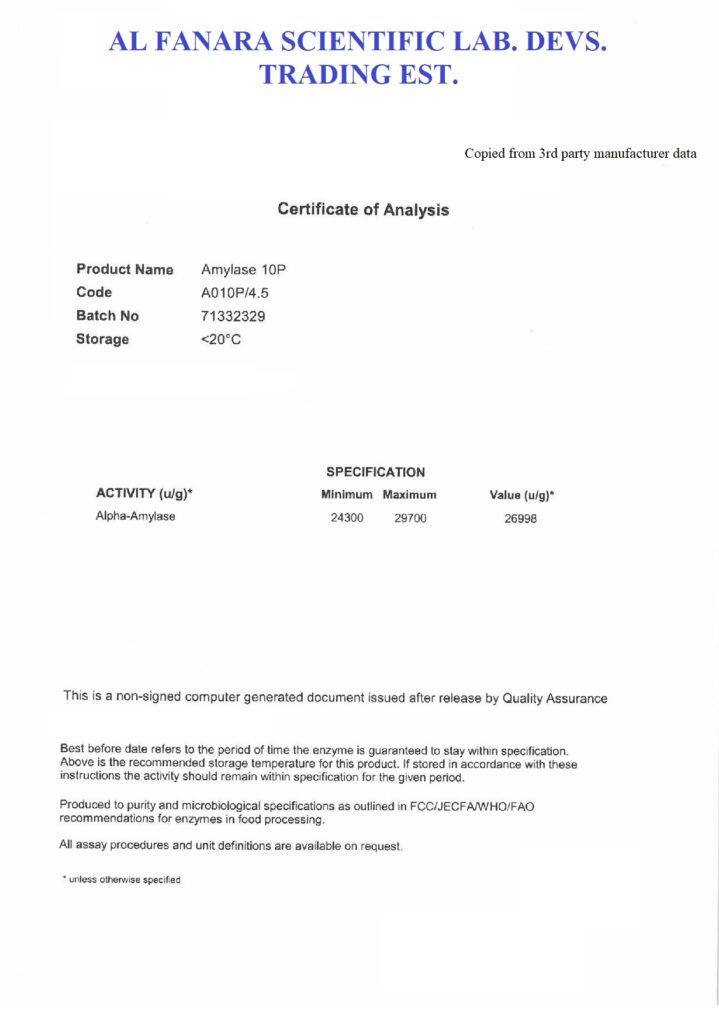
- Bacterial Amylase, 10gm
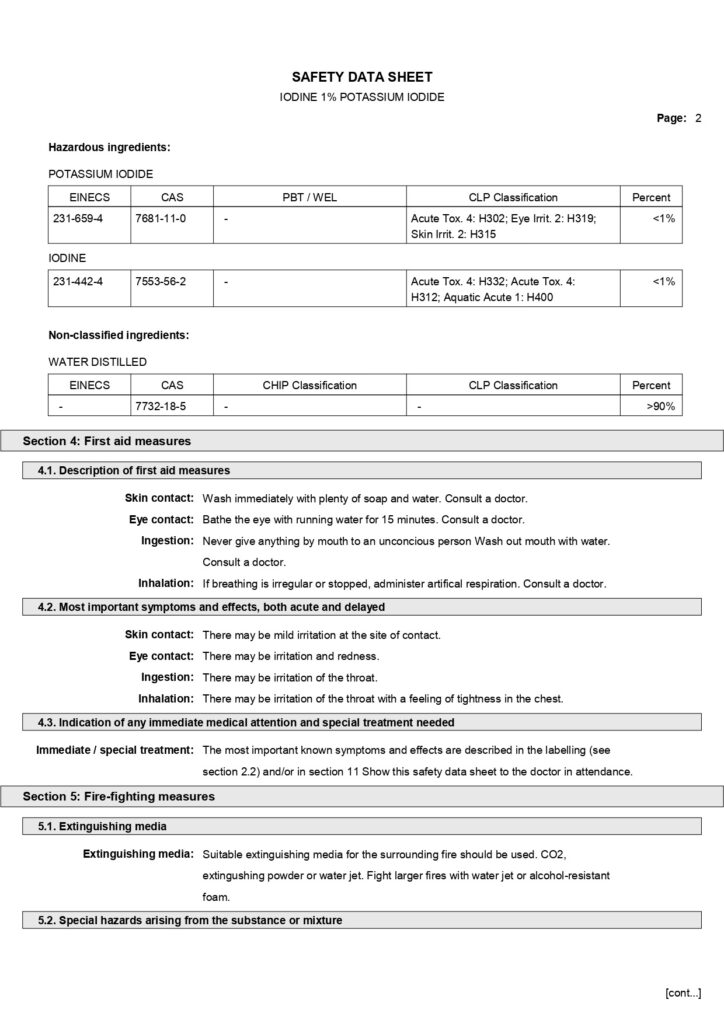
- 1% Iodine in KI Solution, 10ml
- Buffer solution pH2, 10ml
- Buffer solution pH3, 10ml
- Buffer solution pH4, 10ml
- Buffer solution pH5, 10ml
- Buffer solution pH6, 10ml
- Buffer solution pH7, 10ml
- Buffer soluiton pH8, 10ml
- Buffer solution pH9, 10ml
========================================================
How to investigate the effect of pH on the activity of amylase?
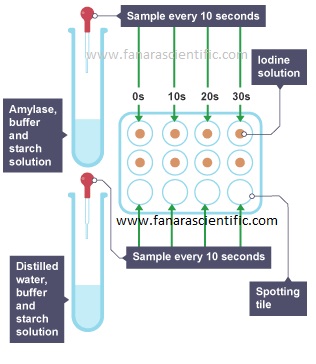
Buffer solutions produce a particular pH, and will maintain it if other substances are added. The amylase will break down the starch. A series of test tubes containing a mixture of starch and amylase is set up at different pHs. A sample is removed from the test tubes every 10 seconds to test for the presence of starch.
How does pH affect the activity of enzymes?
As the pH value is increased above or decreased below the optimum. pH the enzyme activity decreases.
Practical – The effect of pH on the rate of reaction of amylase – BBC Link
What are the 7 factors that affect enzyme activity?
Factors affecting enzyme activity
- Temperature.
- pH.
- Substrate concentration.
- Enzyme concentration.
- Presence of inhibitors. Competitive inhibition. Non-competitive inhibition. Feedback inhibition.
What are the conclusions of enzymes?
Conclusions. Enzymes have both biological and chemical attributes. Their sequences and structures delineate their role in the genome and proteome of all living organisms and their ability to catalyze chemical reactions extends their biological function to metabolic pathways and networks.
What are the 10 examples of enzymes?
Category:EC 3.2.1
- Amylase (EC 3.2.1.1)
- Sucrase (EC 3.2.1.10)
- Chitinase (EC 3.2.1.14)
- Lysozyme (EC 3.2.1.17)
- Maltase (EC 3.2.1.20)
- Lactase (EC 3.2.1.23)
- Beta-galactosidase (EC 3.2.1.23)
- Hyaluronidase (EC 3.2.1.35)
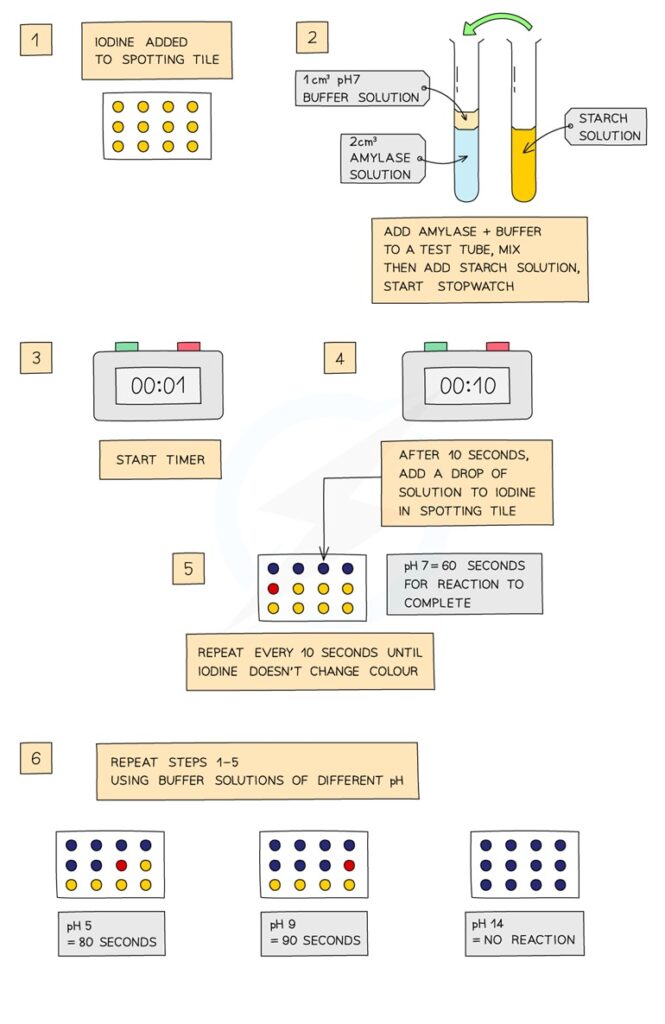
Investigating the Effect of pH on Amylase
- Place single drops of iodine solution in rows on the tile
- Label a test tube with the pH to be tested
- Use the syringe to place 2cm3 of amylase in the test tube
- Add 1cm3 of buffer solution to the test tube using a syringe
- Use another test tube to add 2cm3 of starch solution to the amylase and buffer solution, start the stopwatch whilst mixing using a pipette
- After 10 seconds, use a pipette to place one drop of mixture on the first drop of iodine, which should turn blue-black
- Wait another 10 seconds and place another drop of mixture on the second drop of iodine
- Repeat every 10 seconds until iodine solution remains orange-brown
- Repeat experiment at different pH values – the less time the iodine solution takes to remain orange-brown, the quicker all the starch has been digested and so the better the enzyme works at that pH
Investigating the Effect of Temperature on Amylase
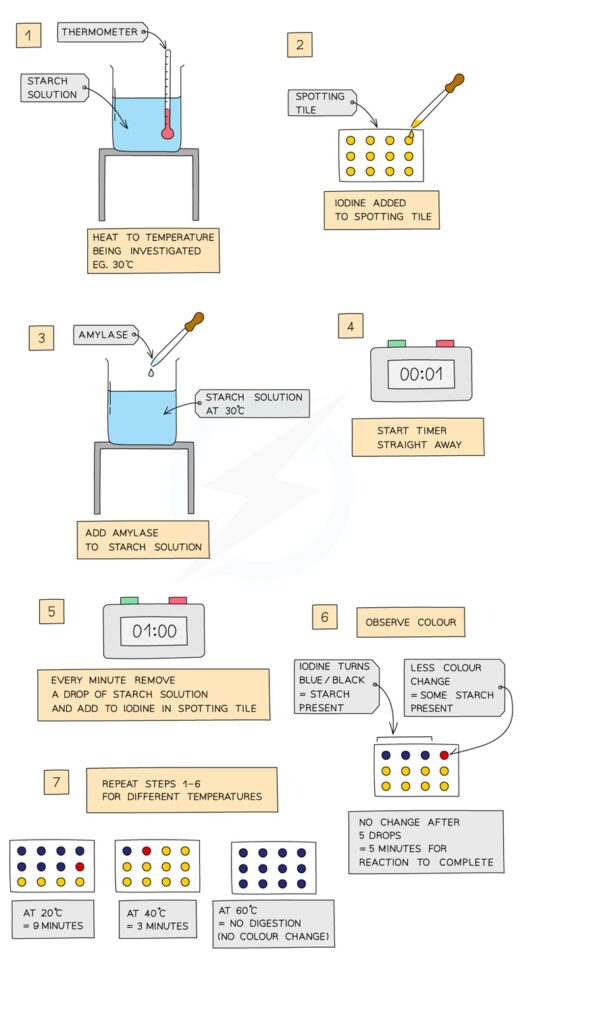
- Starch solution is heated to a set temperature
- Iodine is added to wells of a spotting tile
- Amylase is added to the starch solution and mixed well
- Every minute, droplets of solution are added to a new well of iodine solution
- This is continued until the iodine stops turning blue-black (this means there is no more starch left in the solution as the amylase has broken it all down)
- Time taken for the reaction to be completed is recorded
- Experiment is repeated at different temperatures
- The quicker the reaction is completed, the faster the enzyme is working
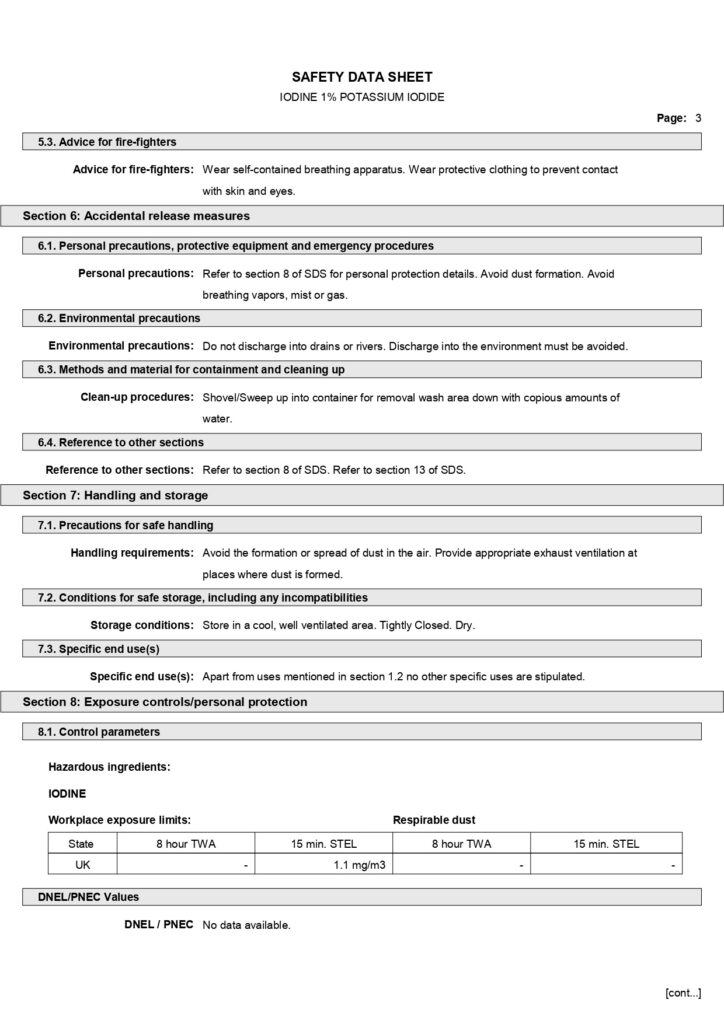
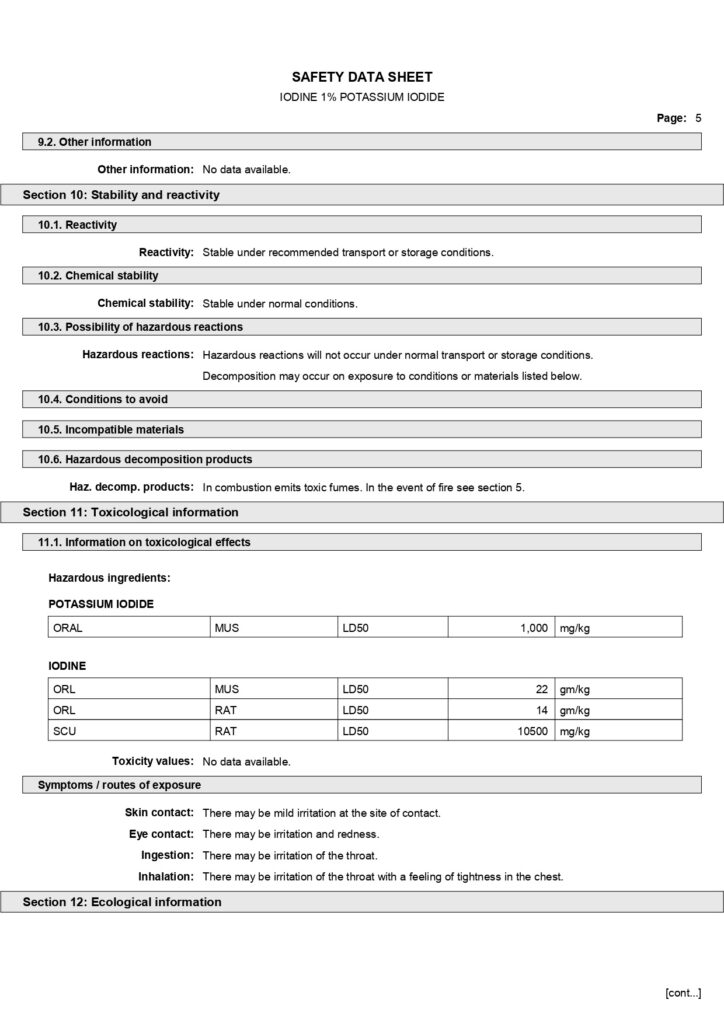
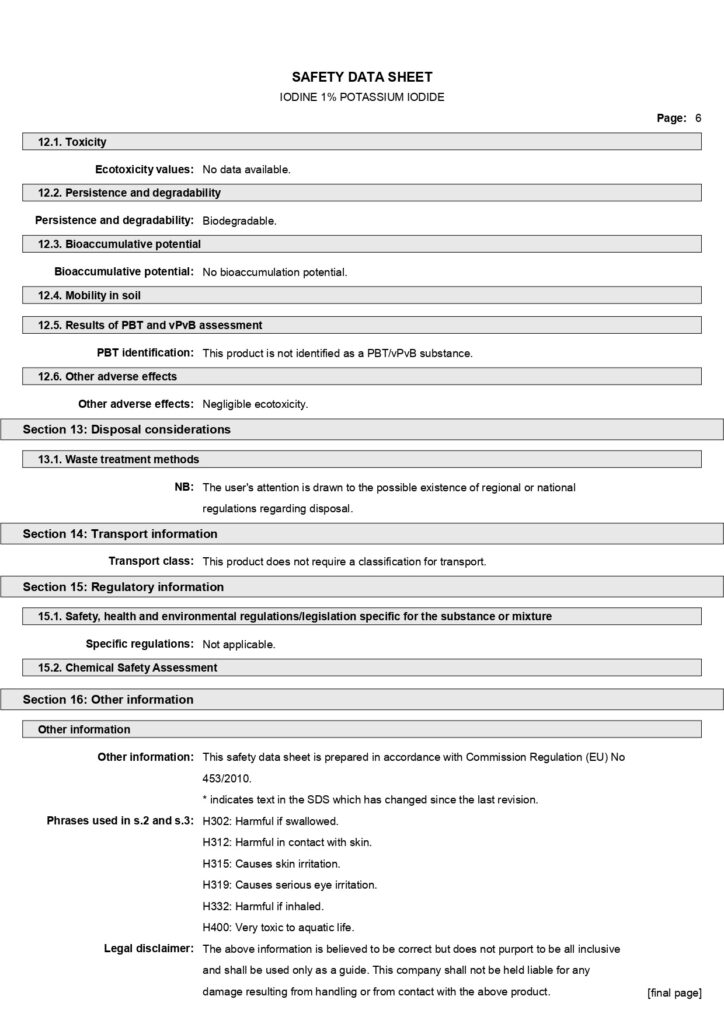
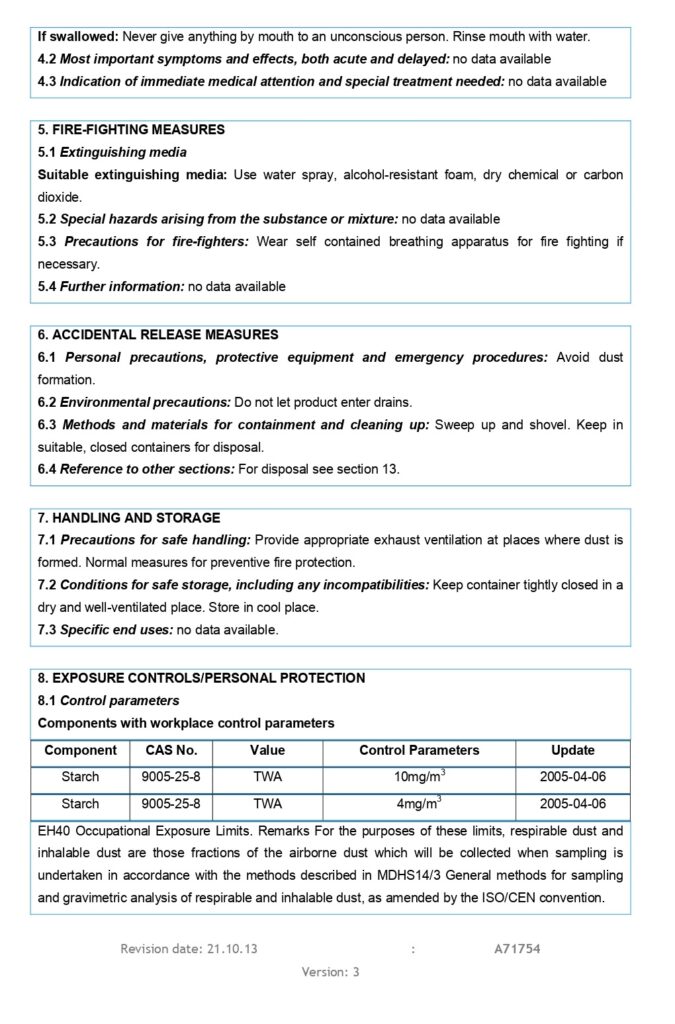
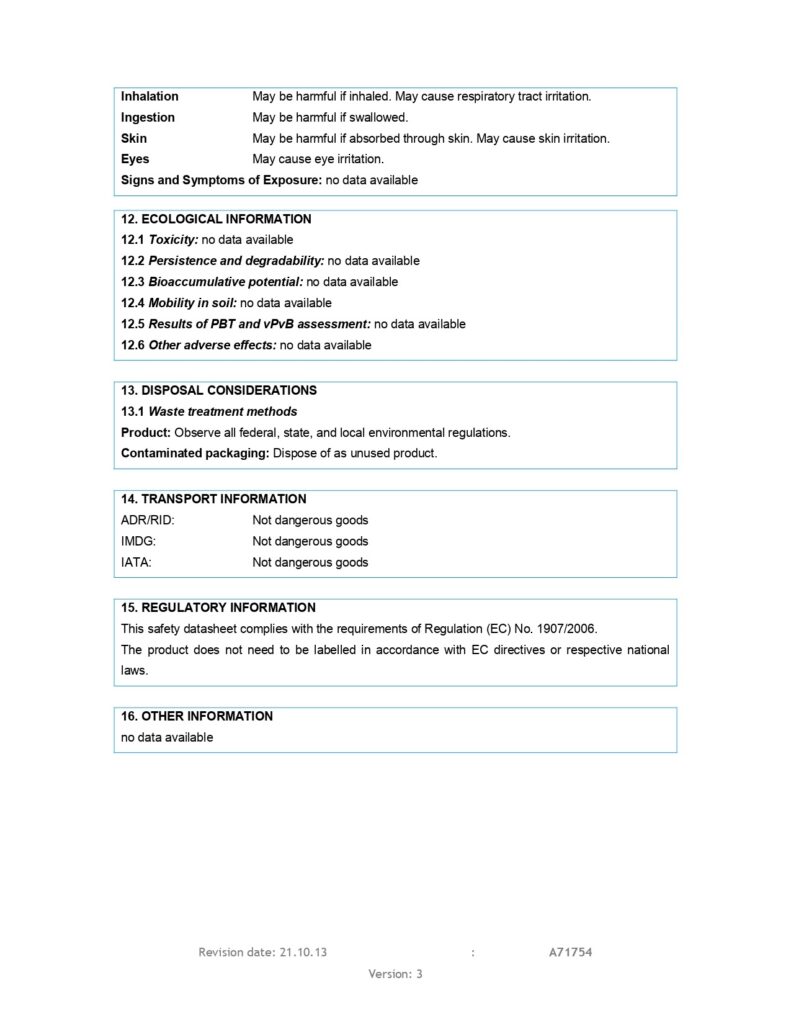
MSDS Date for Amylase , Iodine in KI solution, Starch Powder